“boutique coffee knowledge” search results (4000)

Boutique Coffee basic knowledge Coffee from St. Helena
Coffee was first grown on the island of St. Helena (St.Helena) in 1732. Although some other introduced plants have failed since the 1860s, coffee trees have taken root and flourished here. The island also experienced a coffee improvement campaign to produce the best quality coffee. Coffee producing area of St. Helena: coffee trees on St. Helena have been planted.
2014-12-19 Boutique coffee basics common sense Saint Hercules Lena 1732 Coffee
Basic knowledge of boutique coffee Angolan coffee
Angola is the fourth largest coffee industry in the world, but it produces only a small amount of Arabica coffee and is of high quality. The origin of coffee in Angola: 98% of the coffee in Angola (Angola) is Roberts coffee. The former best brands in Angola are Ambriz, Amborm and NovoRedondo, all of which are known for their consistent quality
2014-12-19 Boutique Coffee Basics Common sense Angola World Big four
Boutique Coffee basic knowledge Coffee from Haiti
Despite well-known problems and fluctuating coffee quality, Haiti (Haiti) is still trying to produce some high-quality coffee. Coffee producing area in Haiti: the main coffee growing area in Haiti is in the north of the country. Most of the coffee produced in Haiti is grown in a purely natural state, which is not intentional but the result of material shortage.
2014-12-19 Boutique coffee basics common sense Haiti though existence everyone knows problem
Basic knowledge of boutique coffee coffee from Nicaragua
In many countries, coffee production has been seriously affected for political reasons. Nicaraguan coffee industry is no exception. The 1979 revolution forced coffee planters to flee to Miami. A period of indecision followed, when the government considered whether to redistribute land, including many plantations, which led to a shortage of coffee and a decline in production. Niagara
2014-12-19 Boutique coffee basics common sense Nicaragua many countries because politics original
Basic knowledge of boutique coffee to distinguish the freshness of coffee beans
Nose smell: fresh coffee beans smell strong fragrance, otherwise tasteless or bad smell. Look at it: good coffee beans are complete in shape and full in size. On the contrary, the shape is incomplete. Hand pressure: fresh coffee beans are fresh and crisp, and the fragrance comes out when they crack. Color: dark black coffee beans, the coffee brewed has a bitter taste; yellow coffee beans, the coffee brewed has a sour taste.
2014-11-27 Boutique coffee basics common sense identification coffee beans freshness nose smell fresh
Boutique Coffee General knowledge of instant coffee how to remove coffee grounds
Instant coffee is in the factory, the ground powdered coffee particles are brewed in advance, in the process, the coffee grounds are removed, and the coffee liquid is extracted, then preserved and dehydrated, and the coffee liquid is dried into (no residue) powder, and then sold separately.
2014-12-04 Boutique coffee common sense instant how remove is in the factory
Boutique Coffee basic knowledge Tahiti Coffee
It would be a privilege to have Tahiti coffee, because it is extremely rare. Tahiti Coffee Origin: Tahiti Coffee is a kind of Arabica Coffee (TahitiArabica). Tahiti is the largest island in the Social Islands (SocietyIslands). Tahiti coffee features: Tahiti coffee.
2014-12-19 Boutique coffee basics common sense Hiti Rueneng Tahiti
Basic knowledge of boutique coffee Martinique coffee
Martinique is a small island and the birthplace of coffee in Central America, but it produces very little coffee today. The first coffee tree in the Western Hemisphere was brought from France by GabrielMathieudeClieu in the early 1820s. In his early years as a naval officer in Martinique, Dirkley brought back a coffee tree and planted it in Prech
2014-12-19 Boutique coffee basics common sense Marty Nick Martiniqu
Basic knowledge of boutique coffee Zimbabwe coffee
Coffee cultivation in Zimbabwe began relatively recently, in the 1960s, when farmers in southern Africa set up coffee plantations. Coffee production in Zimbabwe: coffee cultivation in Zimbabwe is mainly concentrated in the eastern highlands near Mozambique, mainly in the Chimanimani Mountains and northward in Niyan.
2014-12-19 Boutique Coffee Basics Common sense Zimbabwe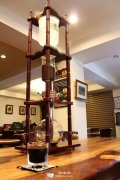
Basic knowledge of boutique coffee the origin of ice drop coffee
Ice drop coffee originated in Europe, because the coffee distiller was invented by the Dutch, so some people call it DUTCH COFFEE. Ice drop coffee is extracted bit by bit by condensation and natural osmotic water pressure for about 5 hours due to the compatibility of coffee itself with water. Pure coffee powder is soaked and moist at low temperature, and the extracted coffee tastes fragrant, smooth and rich! The flavor shown.
2015-01-07 Boutique coffee basics common sense ice droplets origin ice drops originated in Europe
General knowledge of boutique coffee culture Melbourne Coffee
Regular sugar-free coffee (flat white): a variety like cappuccino cappuccino served in a ceramic cup (without foam or chocolate on it). Small black coffee (short black): Italian espresso served in a small coffee cup. Large black coffee (long black): a cup of espresso mixed with hot water. Low-fat coffee (skinny cap)
2015-01-15 Boutique Coffee Culture Common sense Melbourne Coffee Common Sugar-free fla
General knowledge of boutique coffee culture Melbourne Coffee
Regular sugar-free coffee (flat white): a variety like cappuccino cappuccino served in a ceramic cup (without foam or chocolate on it). Small black coffee (short black): Italian espresso served in a small coffee cup. Large black coffee (long black): a cup of espresso mixed with hot water. Low-fat coffee (skinny cap)
2015-01-15 Boutique Coffee Culture Common sense Melbourne Coffee Common Sugar-free fla
Boutique Coffee basic knowledge of Coffee what is pea coffee?
Pea-shaped coffee beans (also known as Caracol) are small, round, bean-shaped fruits, usually shaped in two halves, but this bean is a whole, growing in the center of the coffee fruit. Pea coffee beans are usually separated from ordinary beans and sold as distinct coffee beans. They are popular in Japan at high prices.
2015-05-13 Boutique coffee basics common sense what pea type
Basic knowledge of boutique coffee Coffee pulp can be brewed coffee?
Coffee pulp product packaging dry coffee pulp coffee pulp on filter paper ready to brew brown coffee pulp juice
2015-05-22 Boutique coffee basics common sense pulp can brew products
Basic knowledge of boutique coffee what is shadow coffee?
Shaded coffee is coffee that grows in the shade of the awning (shade is formed by local mixed trees). Traditional Arabica coffee grows in shady places in Mexico, Central America, Colombia, Peru and Venezuela and other countries of the world, including India and Indonesia, as well as many parts of Africa. Other Arabica coffee grows in sunny or near-sunny areas. Because of this
2014-12-17 Boutique coffee basics common sense what shadow is in the awning
Basic knowledge of boutique coffee Bolivian coffee
In the past, coffee trees in Bolivia used to act as hedges and ornaments around the garden. Real commercial production began in the early 1950s. The coffee industry in Brazil was seriously damaged by the great frost in 1975, while Bolivia (Bolivia) benefited from it and developed rapidly. The origin of Bolivian coffee: Bolivian coffee at an altitude of 180 Muhami 670 meters.
2014-12-19 Boutique coffee basics common sense Bolivia past tree often
General knowledge of boutique coffee diagrams of coffee beans from various countries
Brazilian coffee beans Colombian coffee beans blue mountain coffee beans Indonesia Manning coffee beans Vietnam coffee beans Java coffee beans
2014-12-19 Boutique coffee common sense countries coffee beans illustrations Brazil Colombia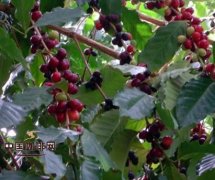
What is Shadow Coffee? Basic knowledge of boutique coffee
Shaded coffee is coffee that grows in the shade of the awning (shade is formed by local mixed trees). Traditional Arabica coffee grows in shady places in Mexico, Central America, Colombia, Peru and Venezuela and other countries of the world, including India and Indonesia, as well as many parts of Africa. Other Arabica coffee grows in sunny or near-sunny areas. Because of this
2015-01-27 What shadow coffee boutique basics common sense is in the awning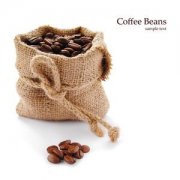
Boutique Coffee basic knowledge to make Merancy Coffee
Melange coffee Melanie Coffee melange means mixed in French. The same amount of coffee is mixed with raw milk to form Viennese hot coffee. What to do: pour a slightly deeper medium-roasted coffee into the cup. Then put the same amount of milk as coffee in a handheld pan and heat it, then stir it in a foam before boiling. Gently add to the coffee before the foam disappears.
2015-04-27 Boutique Coffee Basics Common sense production Merlin melange coff
Basic knowledge of boutique coffee Viennese coffee making
Vienna Coffee (American) slightly deep-boiled coffee 150cc stir cream 20cc cotton sugar 10g cup pour coffee, top with stirred cream float cover, finally, sprinkle with white sugar. In Vienna, Austria, there is actually no drink called Viennese Coffee, while in some countries outside Austria, coffee with whipped cream is called Viennese Coffee.
2015-05-15 Boutique coffee basics common sense Vienna production Coff